From IIT to IND: Can Saudi Arabia Become an Early Clinical Development Hub for Advanced Therapies?
Sign up for our free webinar exploring the practical regulatory routes for running cell, gene and advanced therapy trials in the Kingdom and the wider Gulf.
)
Global cell and gene therapy developers are looking beyond traditional trial geographies. Saudi Arabia and the GCC are drawing serious attention: rare-disease populations, specialist hospitals with active cell therapy programs, national genomics initiatives, and research infrastructure maturing faster than most of the industry has registered.
The open question is a practical one. Can a company or investigator actually run a trial here? Can the region come first, rather than second? And will the resulting data hold up when you take it to the FDA or EMA?
This session maps the regulatory pathway in detail, and separates what is genuinely possible today from what still needs to be built.
What this session explores
- Whether investigator-initiated trials (IITs) are possible in Saudi Arabia, and who can sponsor or submit one
- When SFDA approval is required, and how registered vs. unregistered products change the pathway
- Whether Saudi can be a first-in-human geography, and when prior FDA/EMA approval accelerates the route
- What cell and gene therapy developers must prepare, including GMP, biosamples, genetic data and chain of identity
- How the GCC compares, with Saudi, UAE and Qatar as distinct national pathways rather than one harmonized market
Who you'll hear from
Three perspectives that rarely sit on the same panel: an international clinical trials leader, a European regulatory specialist, and a physician running one of the region's most established CAR-T programs from inside the Kingdom.
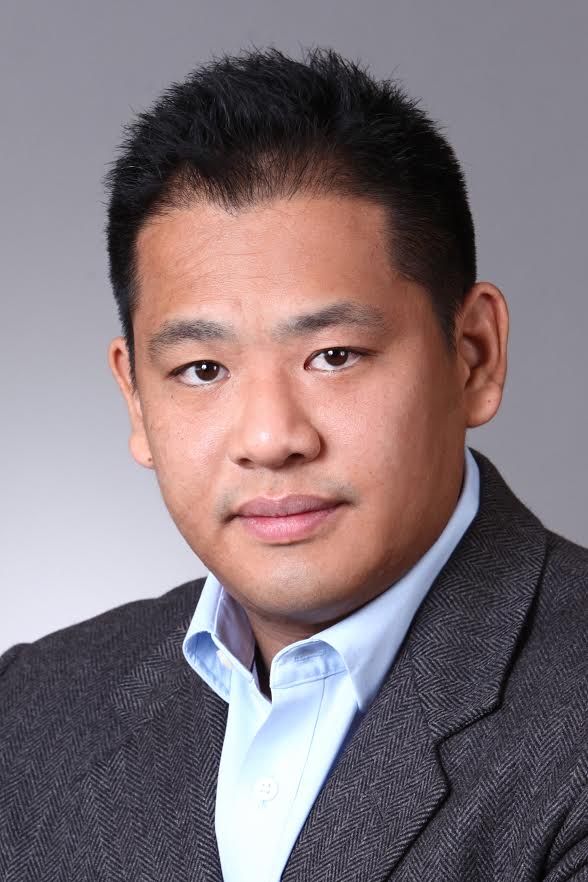
Andrew Lee, MD, PhD
Deputy Director, Guangdong-Hong Kong-Macau International Clinical Trial Center (BAY TRIAL)
Andrew is also Co-Founder and CEO of Spot Biosystems, where he is working with a China-based IIT model and considering how that evidence can support wider global development.
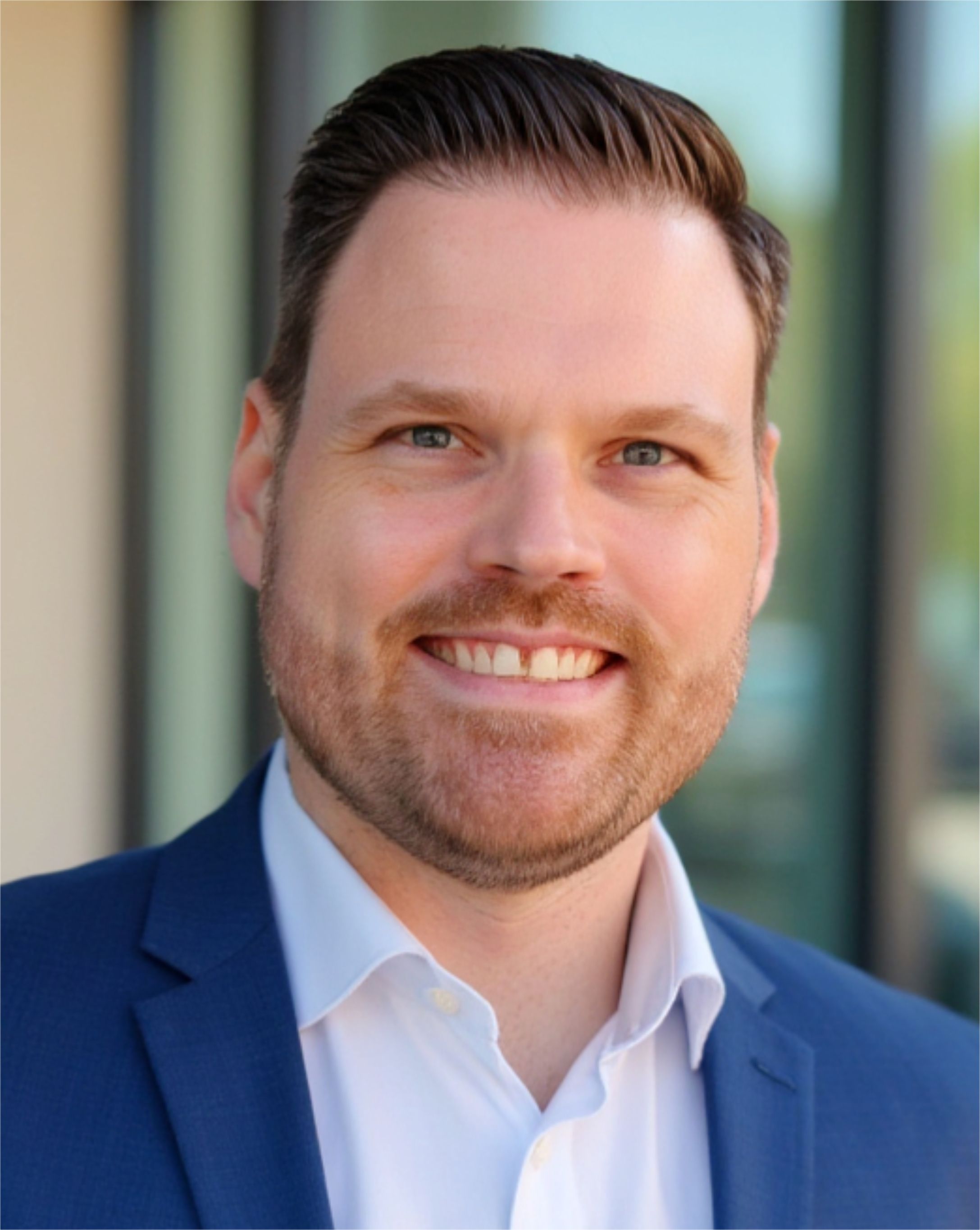
Sam Ringle, PhD
Advisory Board Member, European Genomic Medicine Consortium (EGMEDC)
Sam is a regulatory affairs consultant specializing in biologics and cell and gene therapies. His experience spans clinical trial applications, regulatory strategy and engagement with the EMA and FDA. He will bring a European perspective on what is required for early clinical evidence to support wider global development.
Dr Syed Osman Ahmed
Director, Adult CAR-T Program & Cancer Centre of Excellence, King Faisal Specialist Hospital and Research Center (KFSHRC)
Dr Ahmed acquired his qualifications in Neuroscience and Medicine from Imperial College, London, and trained in Medicine and Haematology in the London area. Since 2012, he has been a consultant at King Faisal Specialist Hospital in Riyadh, with a focus on AML and transplantation, and directs the hospital's Adult CAR-T program.
Join us on 20 August, ahead of Advanced Therapies World in Riyadh, 5–6 December 2026.